
How to Sell on Shopee in 2026:
A Complete Step-by-Step Guide for Beginners
Shopee is the most visited online marketplace in Southeast Asia, with millions of shoppers browsing daily in Thailand, Singapore, Malaysia, Vietnam, the Philippines, and Indonesia.
Opening a store costs nothing, and the platform hands you the tools, the logistics, and the traffic to start selling fast. This guide covers the whole process: what Shopee is, how the fees work, how to open your store, and how to win your first orders.

Overview: What You Should Know Before Selling on Shopee
A little background saves a lot of mistakes later. This section covers how Shopee works, which account type fits you, and what selling actually costs.
What Is Shopee and Where Does It Operate?
Shopee is an online marketplace launched in 2015 by Sea Limited, a Singapore-based company. It runs separate sites across Southeast Asia, including Thailand, Singapore, Malaysia, Vietnam, the Philippines, and Indonesia, plus Taiwan and markets in Latin America.
Each country has its own Seller Centre, its own fees, and its own rules, so a store opened in Thailand will not appear in Malaysia. You register in the country where you want to sell, and cross-border options exist for sellers based somewhere else.
Why Sell on Shopee?
The numbers make a strong case. Shopee leads the region in app downloads and monthly visits, and mega sales like 9.9, 11.11, and 12.12 bring huge spikes in traffic.
Opening a store is free, payment processing is handled by the platform, and its logistics partners cover delivery.
Features like Shopee Live and in-app games keep buyers on the platform daily, so new sellers get exposure without spending years on brand building.
The 3 Types of Shopee Seller Accounts
Before you register, pick the account type that fits your situation. Each one comes with different requirements and fees.
Shopee Non-Mall Seller
This is the standard option for local individuals and businesses. Registration is quick, there are no upfront costs, and most new sellers start here. You sell under your own shop name and compete on price, service, and reviews.
Shopee Mall Seller
Shopee Mall is reserved for brand owners and authorized distributors. Stores get a badge, better placement in search, and access to exclusive campaigns.
In return, the requirements are stricter, commission is higher, and shoppers expect authentic products with a longer return window.
Cross-Border Seller
Sellers based outside the region can join through Shopee’s cross-border program. A registered business is required, individual sign-ups are not accepted, and shipping usually runs through Shopee’s cross-border logistics.
Existing sellers can also expand into other markets through the Shopee International Platform without opening a local company.
What You Need Before You Register
Have these ready before you start: a valid national ID or passport, a business registration certificate for corporate accounts, a phone number, an email address, and a local bank account for payouts. Requirements differ by country.
Individuals can start with just an ID in most markets, while corporate and Mall accounts need documents like SSM in Malaysia, DTI in the Philippines, or ACRA in Singapore.
A few products ready to list will also speed things up, since new shops must list items to activate.
How Much Does It Cost to Sell on Shopee?
Signing up is free. There are no listing fees and no monthly charges, so you only pay when something sells. Three costs come out of each order: a commission fee that varies by country and category, a transaction fee on the payment, and a service fee for optional programs like Free Shipping or Coins Cashback.
Shopee Mall commission runs higher than the regular marketplace rate. New sellers often get a commission-free period after opening, which makes the first months cheaper. Always check the current fee table in your country’s Seller Centre.
How to Start Selling on Shopee: Step-by-Step
The steps below apply everywhere Shopee operates. The platform works the same way in every market, but documents, fees, taxes, and payout details change by country.
For the exact local requirements, read our dedicated guides: how to sell on Shopee in Thailand, Singapore, Malaysia, Vietnam, Indonesia, and the Philippines. Once you know your market, follow these ten steps to get your shop live.

Step 1: Register Your Seller Account on Shopee Seller Center
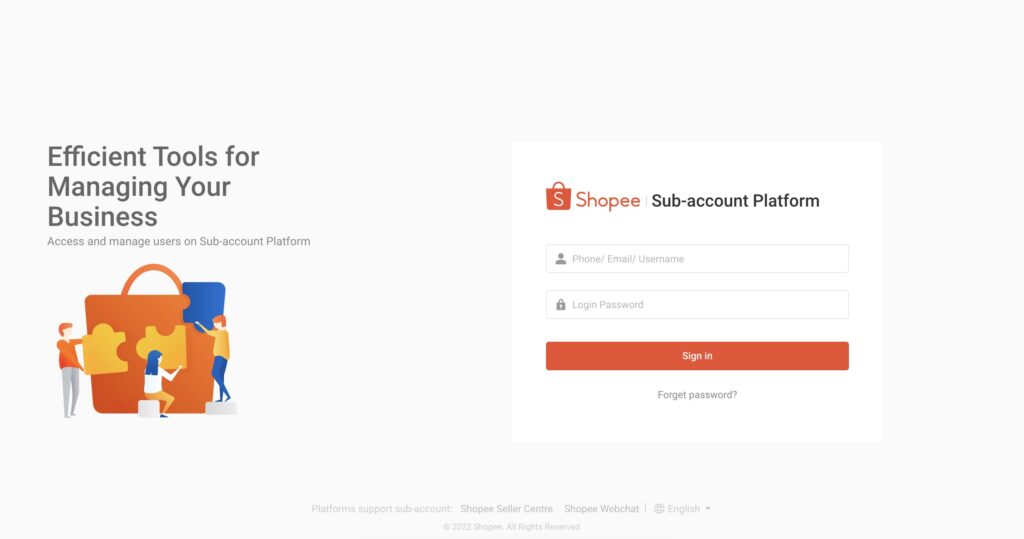
Go to the Shopee Seller Centre for your country, or use the Shopee app, and click sign up. You can register with a phone number or an email address, and a one-time password will be sent to confirm it.
Fill in your name and address and agree to the terms. The form takes about ten minutes. Use details that match your ID or business papers, because mismatched information causes problems at verification and payout later.
Step 2: Verify Your Identity and Submit Documents
After sign-up, Shopee asks for documents to confirm who you are. Uploads are reviewed by the Shopee team, and verification usually clears within a few business days.
Documents for Individual Sellers
Most markets let individuals sell with a national ID card or passport. Upload a clear photo of the document plus bank details under the same name. Blurry images are a frequent cause of delays, so scan them properly.
Documents for Business Sellers
Corporate accounts need the company registration certificate issued in that country, for example SSM in Malaysia, DTI or SEC in the Philippines, or ACRA in Singapore. Tax documents may also be requested. The bank account must belong to the registered company.
Step 3: Set Up Your Store Profile
Once verified, open Seller Centre and complete your shop profile. Choose a shop name that is short, easy to spell, and close to your brand, because changing it later can be a hassle.
Add your pickup or warehouse address, set your operating days, and fill in the shipping settings. A clear shop logo, banner, and description help too. Buyers do check shop pages before ordering, so a complete profile quietly lifts your conversion rate.
Step 4: Add Your Bank Details and Seller Balance
Head to the finance section and link your bank account. The account name has to match your registered name or company name, otherwise withdrawals will fail.
Sales money lands in your Seller Balance first, and you can withdraw manually or set up automatic weekly withdrawal.
Check the release schedule for your market so you know when money arrives. Setting this up early means your first sale pays out without delays.
Step 5: List Your First Products
New shops must list products to become fully active, usually at least five within the first 30 days.
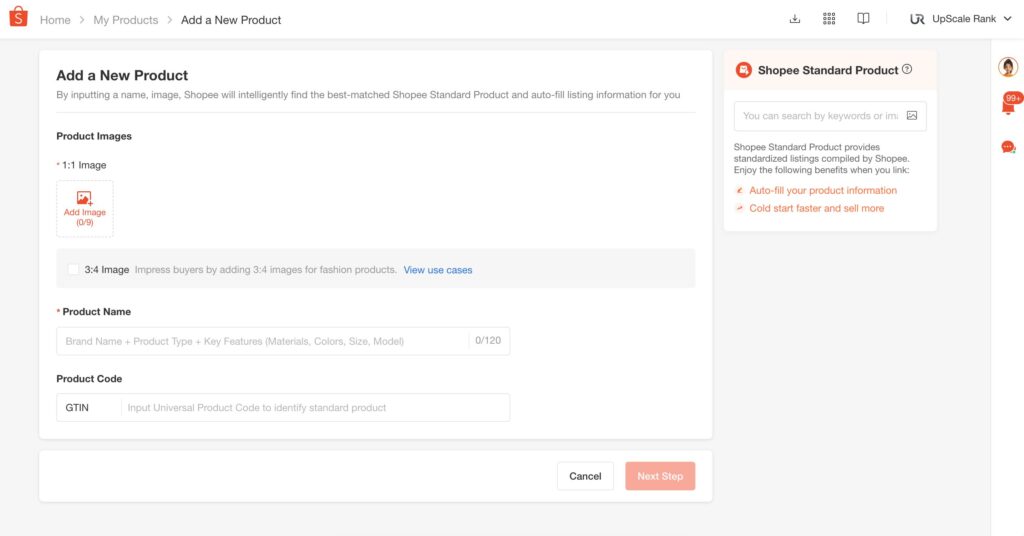
Items can be added one by one, uploaded in bulk with a spreadsheet, or synced through a third-party listing tool. Whichever method you use, three things decide how well a listing performs.
Write Product Titles and Descriptions That Rank in Shopee Search
Shopee search reads your title first, so put the important keywords early: brand, product type, size or model, then key attribute. Write the description for humans, with short lines and real answers about material, dimensions, and usage.
Stuffed titles look spammy and get skipped. Well-written listings rank higher and convert better, which is why title and description work deserves real effort.
Follow Shopee’s Product Image Requirements
Your main photo should sit on a plain, clean background, sharp and well lit. Add more shots showing the back, sides, and details, plus one photo of the product in real use. Short videos perform well on Shopee, so add one where you can.
Choose the Right Category and Fill In All Attributes
Pick the most accurate category, not the busiest one. Then fill in every attribute field, even the optional ones. Attributes feed the search filters buyers use, and incomplete listings are often left out of campaigns. Two minutes of extra typing here pays off in visibility.
Step 6: Price Your Products Correctly
Set prices with all costs on the table: product cost, commission, transaction fee, service fee, packaging, and any voucher you plan to run.
A common mistake is pricing off the shelf price alone and discovering the margin is gone after fees. Build a simple spreadsheet per product, add your target profit, and work backwards to the listing price.
Leave a little room for campaign discounts, since promotions on Shopee usually require a genuine price cut.
Step 7: Choose Your Shipping and Fulfillment Method
Shopee gives you two ways to get orders delivered, and you can switch or combine them as your shop grows.
Fulfillment by Shopee (FBS)
With Fulfilled by Shopee, your stock is stored in a Shopee warehouse and every order is picked, packed, and shipped by the platform.
Delivery is faster, your listings get a badge, and delivery complaints are handled for you. Storage fees apply, so it suits products that sell steadily.
Ship Orders Yourself
You can also pack orders on your own. Shopee’s supported couriers collect packages at your address, or you drop them at a nearby point after printing the shipping label.
Keep your promised handover time, because late shipments hurt your shop rating and can trigger penalties. This route works well for new shops with small volume.
Step 8: Learn the Basics and Launch Your Shop
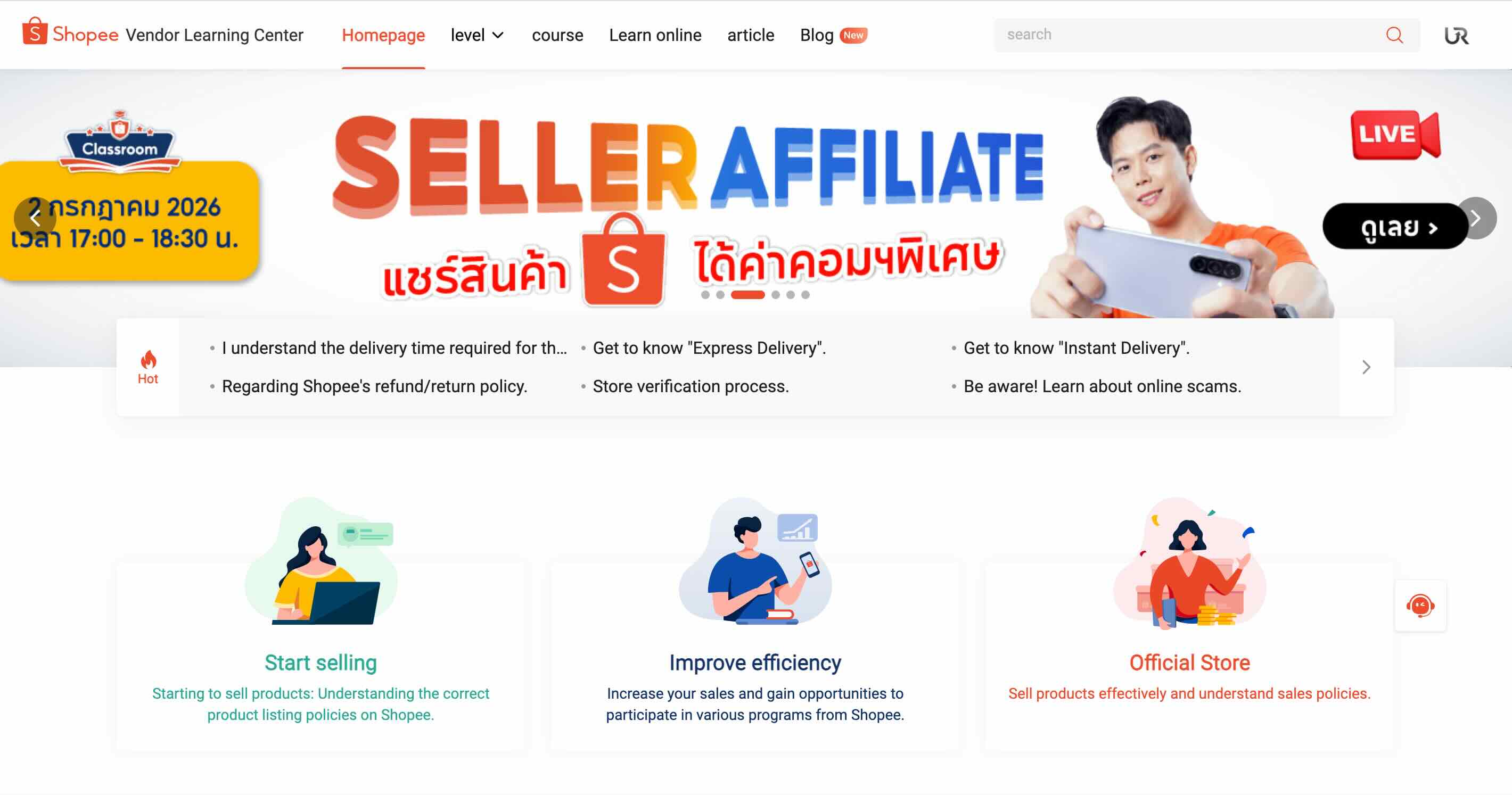
New sellers get a set of onboarding missions inside Seller Centre, and free lessons are available through the Seller Education Hub.
The materials cover policies, order handling, and the basic tools, and completing the missions often unlocks small rewards like vouchers or free ad credits.
Go through them properly instead of clicking past. Once your listings are approved and your shipping is set, your shop is live and ready for orders.
Step 9: Promote Your Shop and Get Your First Sales
A live shop with no traffic sells nothing, so promotion starts on day one. Shopee gives sellers free tools that raise visibility, and small budgets go a long way in the first weeks.
Focus on the three tools below before spending on anything else, and track what each one actually brings in.
Join Shopee Campaigns and Mega Sales
Open the Marketing Centre in Seller Centre and check the campaign section. Mega sales like 9.9, 11.11, 12.12, and payday sales bring massive traffic, and smaller weekly campaigns are easier to enter.
Each campaign has criteria on price, stock, and rating, so register early and prepare stock before the date.
Set Up Vouchers, Flash Deals, and Bundle Deals
Shop vouchers, Flash Deals, and bundle deals are set up in a few clicks. A small voucher paired with free shipping removes most buyer hesitation.
Flash Deals create urgency, and bundles raise the average order value. Rotate these tools instead of running everything at once, then keep what performs.
Use Shopee Ads
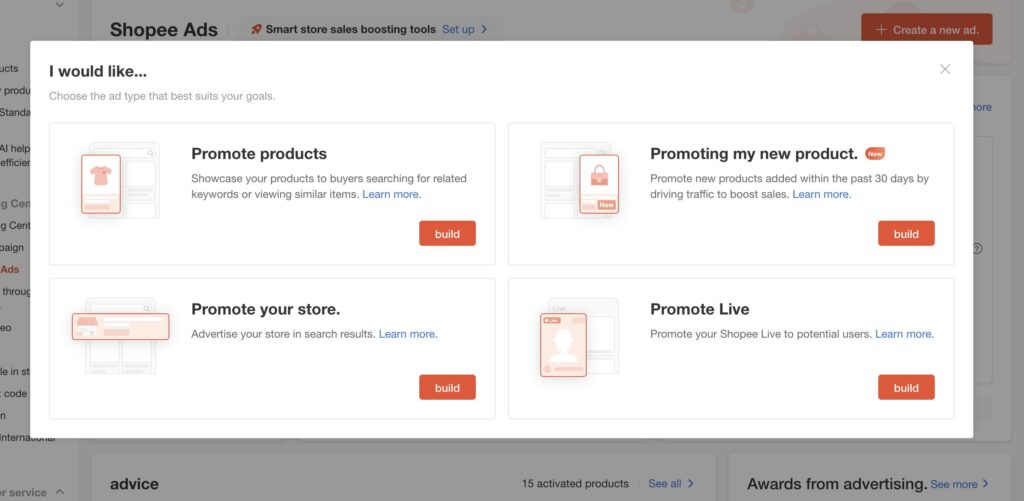
Shopee Ads push your products higher in search results and onto discovery pages. Start with a small daily budget on your best listings, let it run for a week, and check the cost per order before scaling.
Shopee Live is worth testing too, since livestream selling converts strongly in the region. Ads amplify good listings, they cannot fix weak ones.
Step 10: Track Your Shop Performance with Business Insights
Business Insights is the data dashboard inside Seller Centre, and it should be checked weekly at minimum.
Watch three numbers: visitors, conversion rate, and average order value. Low traffic points at titles, keywords, or ads. Decent traffic with poor conversion points at price, images, or reviews.
The dashboard also tracks your shop rating and shipping performance, which affect search ranking. Small, regular fixes based on real data beat big random changes every time.
Frequently Asked Questions About Selling on Shopee
Here are the questions new sellers ask most, answered briefly.
How long does it take to start selling on Shopee?
Basic registration takes minutes, and identity verification usually clears within a few business days. The shop becomes fully active once your first products are listed, so most sellers can go live within a week.
Delays are usually caused by unclear document photos or details that do not match between the form and the ID. Seller support can be reached through Seller Centre chat when the wait drags on.
Can I sell on Shopee and Lazada at the same time?
Yes, and many sellers do. Neither platform demands exclusivity. The main challenge is operational: stock and prices must stay in sync so you do not oversell an item on one platform after it sold out on the other.
Multichannel tools or a simple daily routine solve this. Selling on both usually lifts total sales, since the buyer bases only partly overlap.
What products are prohibited or restricted on Shopee?
Each country publishes its own prohibited and restricted list, but the usual items apply everywhere: weapons, drugs, counterfeit goods, recalled items, and adult content. Some categories, like health supplements or electronics with batteries, may need permits or pre-approval.
Listing a banned item can get the listing removed, penalty points added, or the account suspended, so check the policy page for your market before uploading anything unusual.
How and when does Shopee pay sellers?
Sales money is released to your Seller Balance after the order is delivered and the return window closes, usually within a week or two of delivery. You then withdraw to your linked bank account manually or on an automatic weekly schedule.
The income statement in Seller Centre breaks down every order, fee, and deduction. Keep an eye on it during your first month so you understand exactly what lands in your account.
What happens when a customer returns an item or files a dispute?
Buyers can request a return or refund within the stated window, and some markets now offer extended change-of-mind returns, especially on Shopee Mall.
When a request arrives, you review it in Seller Centre and accept or dispute it with evidence. Return shipping is paid by the party at fault in most cases. Handled quickly, returns barely dent your rating. Ignored ones escalate and cost far more.
How do I upgrade my shop to Shopee Mall?
You can apply once you own a registered trademark or hold an authorization letter, and your shop meets the performance bar on rating, shipping time, and cancellation rate.
The application is submitted through Seller Centre, and the review takes a couple of weeks. Approval brings the Mall badge, better search placement, and campaign access, in exchange for higher commission and stricter service standards.
Conclusion: Start Selling on Shopee Today
Selling on Shopee does not require money upfront, just preparation. Register in your country’s Seller Centre, get your documents verified, list well-written products, and pick a shipping method that fits your volume.
After launch, campaigns, vouchers, and your shop data decide how fast you grow. Start with the guide for your market, Thailand, Singapore, Malaysia, Vietnam, Indonesia, or the Philippines, and open your shop this week.
Need help with setup or optimization? Get in touch.